Ginger Wine Ninebark Companion Plants That Will Make Your Garden Pop
Ginger Wine Ninebark is a beautiful deciduous shrub that is known for its bright orange-red foliage in the fall. It is a relatively easy plant to grow and can be found in many garden centers. If you are considering adding Ginger Wine Ninebark to your garden, you may be wondering what companion plants would work well with it.
In this blog post, we will discuss some of the best companion plants for Ginger Wine Ninebark. We will also provide some tips on how to plant and care for these plants together.
Main Content
Companion Plants for Ginger Wine Ninebark
Here are some of the best companion plants for Ginger Wine Ninebark:
- Perennials: Perennials are a great choice for companion plants because they will come back year after year. Some good options include coneflowers, black-eyed Susans, and bee balm. These plants will add color and interest to your garden throughout the summer and fall.

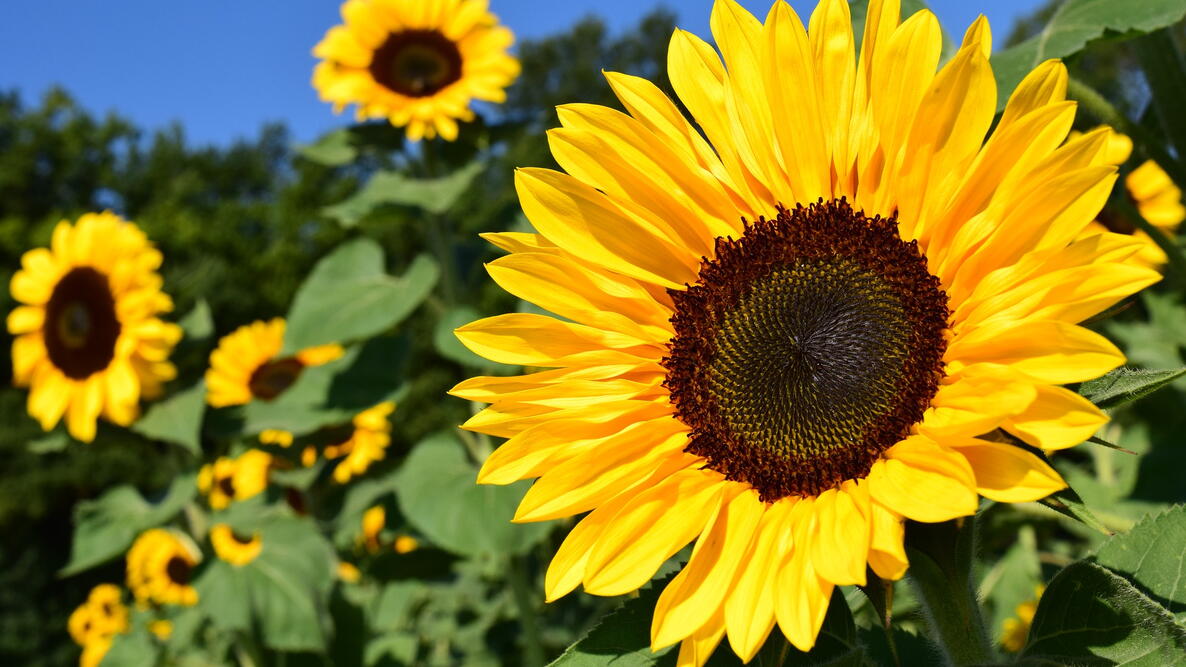
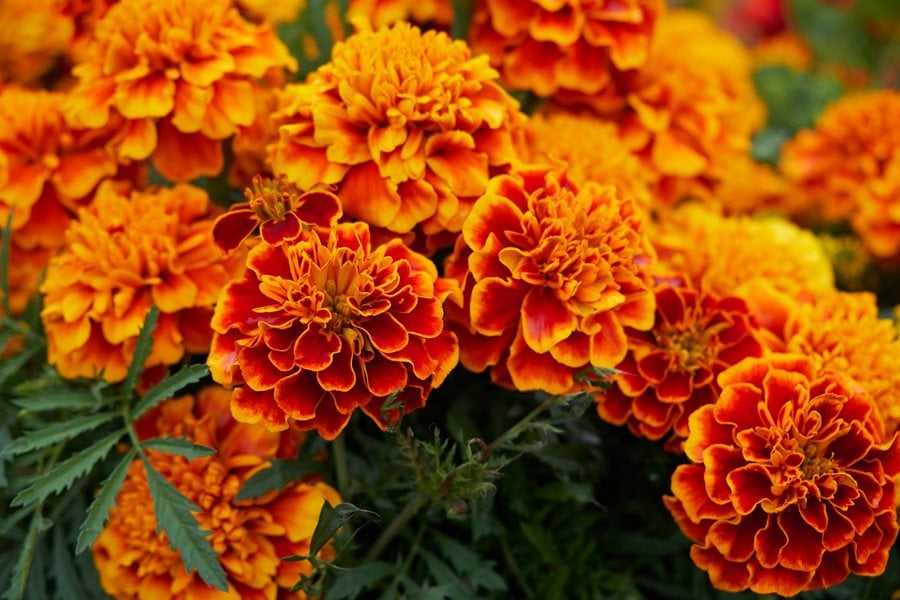
- Annuals: Annuals are a good choice if you want to add some quick color to your garden. Some good options include sunflowers, marigolds, and cosmos. These plants will bloom all summer long and will add a pop of color to your garden.

- Grasses: Grasses are a great way to add height and texture to your garden. Some good options include miscanthus, fountain grass, and blue oat grass. These grasses will sway in the wind and add a touch of elegance to your garden.

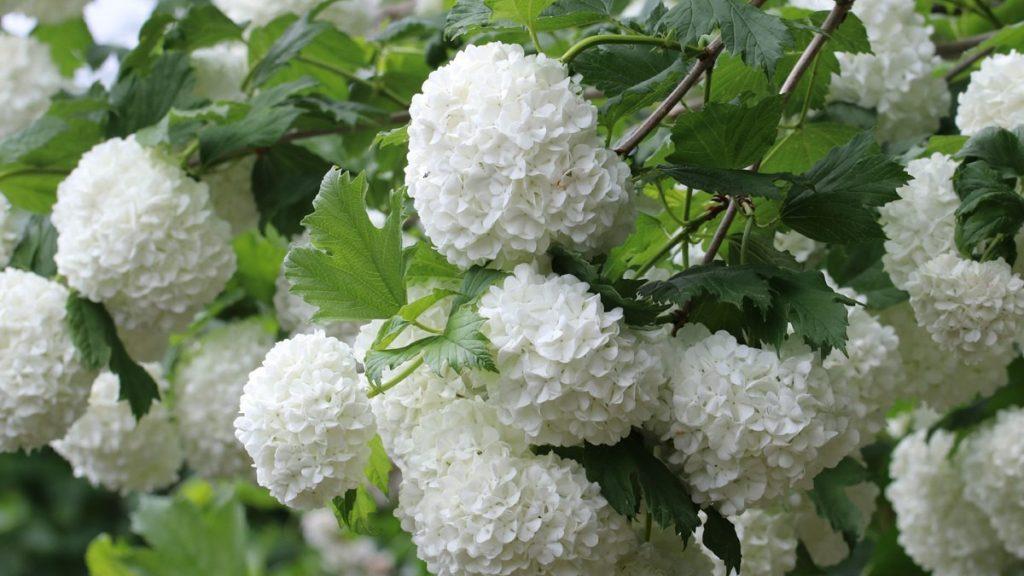
- Shrubs: Shrubs can provide year-round interest in your garden. Some good options include hydrangeas, viburnums, and spireas. These shrubs will bloom in the spring and summer and will provide structure and color to your garden.
How to Plant and Care for Ginger Wine Ninebark and Companion Plants
When planting Ginger Wine Ninebark and companion plants, it is important to consider the size and mature height of each plant. You want to make sure that the plants will not outgrow each other and that they will have enough space to spread.
It is also important to consider the sunlight and soil conditions that each plant prefers. Ginger Wine Ninebark prefers full sun and well-drained soil. Most perennials and annuals also prefer full sun, but some may be able to tolerate partial shade.
Once you have chosen your plants and considered their needs, you can plant them in your garden. Be sure to water them regularly, especially during the first year after planting. You may also need to fertilize them once or twice a year.
Conclusion
Ginger Wine Ninebark is a beautiful and versatile plant that can be used in a variety of ways in the garden. By planting it with the right companion plants, you can create a stunning and colorful display that will last all season long.
Ginger Wine Ninebark is a beautiful shrub that can add a touch of color and interest to any garden. It's known for its striking burgundy and coppery orange foliage, which makes it a great choice for adding contrast to other plants in your landscape. But what are some good companion plants for Ginger Wine Ninebark?
Here are a few suggestions:
- Milkweed: Milkweed is a great choice for companion planting with Ginger Wine Ninebark because it attracts monarch butterflies. The bright orange flowers of the milkweed pair beautifully with the rich foliage of the ninebark.
- Coneflowers: Coneflowers are another great choice for companion planting with Ginger Wine Ninebark. They come in a variety of colors, so you can choose ones that will complement the foliage of your ninebark. Coneflowers also attract butterflies and other pollinators.
- Phlox: Phlox is a low-maintenance perennial that blooms in a variety of colors, including pink, purple, and white. It's a great choice for companion planting with Ginger Wine Ninebark because it will provide a splash of color throughout the summer.
- Dogwood trees: Dogwood trees are a beautiful addition to any garden, and they make great companion plants for Ginger Wine Ninebark. The white flowers of the dogwood tree will contrast nicely with the burgundy foliage of the ninebark.
- Azaleas: Azaleas are a popular choice for flowering shrubs, and they make great companion plants for Ginger Wine Ninebark. They come in a variety of colors, so you can choose ones that will complement the foliage of your ninebark. Azaleas also attract butterflies and other pollinators.
If you're looking for more information about companion planting with Ginger Wine Ninebark, I recommend visiting Garden Wiki. They have a wealth of information on this topic, and they can help you choose the perfect companion plants for your garden.
FAQ of ginger wine ninebark companion plants
What are the best companion plants for ginger wine ninebark?
Ginger wine ninebark is a hardy shrub that can grow in a variety of conditions. It is deer resistant and attracts pollinators, making it a great choice for a backyard garden. When choosing companion plants for ginger wine ninebark, it is important to consider the plant's growing requirements. Ginger wine ninebark prefers full sun to partial shade and well-drained soil. It is also tolerant of drought conditions. Some good companion plants for ginger wine ninebark include:
- Milkweed: Milkweed is a host plant for monarch butterflies, which are important pollinators. It also has attractive orange flowers that contrast well with the ginger wine ninebark's foliage.

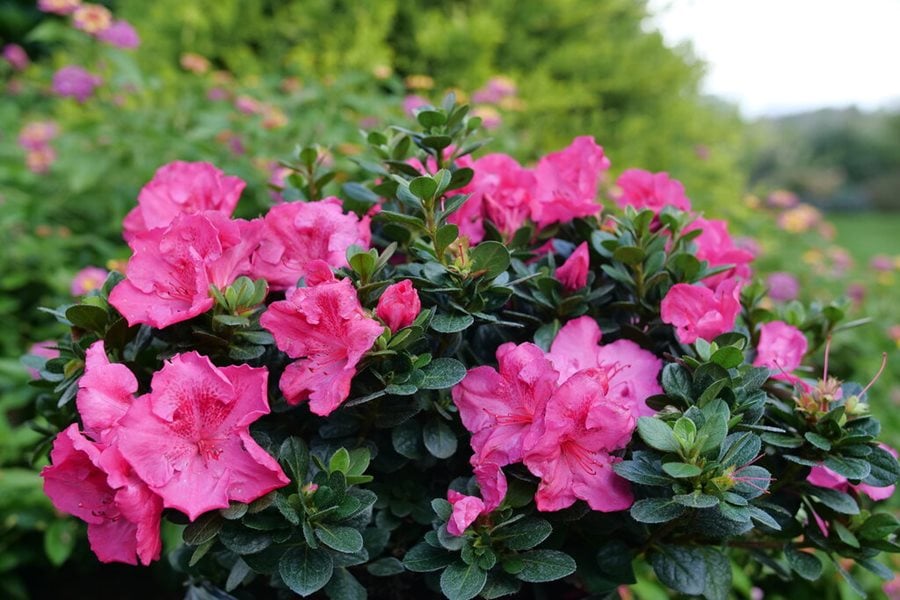
- Azaleas: Azaleas are flowering shrubs that prefer acidic soil, similar to ginger wine ninebark. They also have attractive flowers that bloom in the spring and summer.
- Dogwood trees: Dogwood trees are a beautiful addition to any garden. They have white flowers in the spring and red or orange foliage in the fall. Dogwood trees can grow up to 30 feet tall, so it is important to choose a variety that will not overwhelm the ginger wine ninebark.

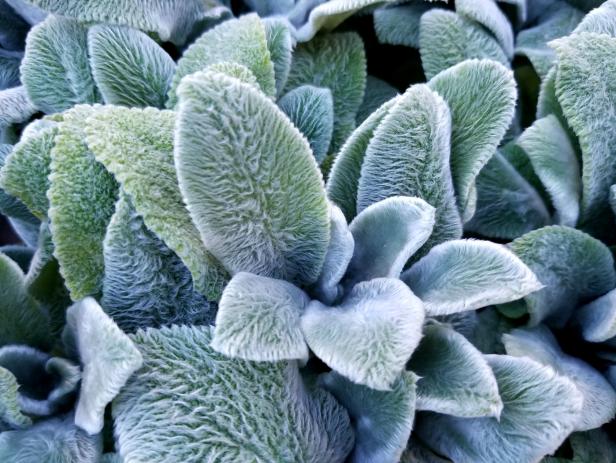
- Lamb's ears: Lamb's ears are a low-maintenance groundcover that has attractive gray-green foliage. They are tolerant of drought and shade, making them a good choice for companion plants for ginger wine ninebark in shady areas.
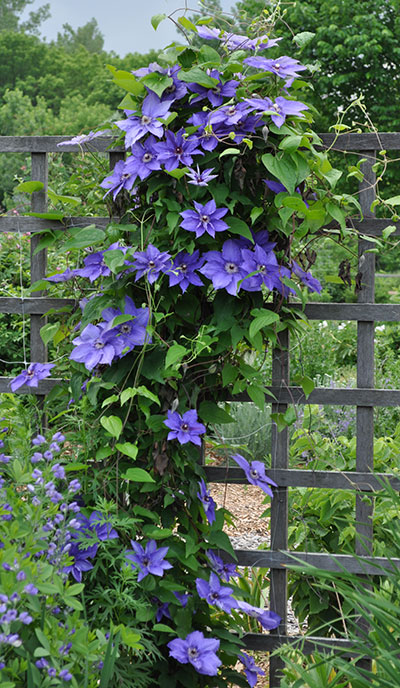
- Clematis: Clematis is a flowering vine that can be trained to climb up a trellis or other support. It has attractive flowers in a variety of colors that bloom in the spring and summer. Clematis prefers full sun to partial shade and well-drained soil.
What is the best place to plant ginger wine ninebark?
Ginger wine ninebark can be planted in a variety of locations, but it prefers full sun to partial shade. It is important to plant ginger wine ninebark in well-drained soil. The soil should be slightly acidic, with a pH of 6.0 to 6.5. Ginger wine ninebark can tolerate drought conditions, but it will do best if it is watered regularly during the summer months.
How far apart should ginger wine ninebark plants be planted?
The spacing between ginger wine ninebark plants will depend on the variety of plant and the desired effect. In general, plants should be spaced 3 to 5 feet apart. If you are planting a row of ginger wine ninebark plants, space them 4 to 6 feet apart.
How do I care for ginger wine ninebark?
Ginger wine ninebark is a relatively low-maintenance plant. It requires regular watering, especially during the summer months. The plant should also be fertilized once a year in the spring with a balanced fertilizer. Ginger wine ninebark does not require pruning, but you may want to remove any dead or damaged branches in the spring.
What are some common pests and diseases that affect ginger wine ninebark?
Ginger wine ninebark is susceptible to a few pests and diseases, but they are generally not serious. The most common pests are aphids, spider mites, and scale insects. These pests can be controlled with insecticidal soap or neem oil. Ginger wine ninebark is also susceptible to powdery mildew, a fungal disease that can cause white spots on the leaves. Powdery mildew can be prevented by watering the plant in the morning so that the leaves have a chance to dry before nightfall. If powdery mildew does occur, it can be treated with a fungicide.
Image of ginger wine ninebark companion plants
Here are 5 different images of "ginger wine ninebark companion plants" from Pinterest:
- A photo of a ginger wine ninebark plant surrounded by coneflowers, daylilies, and black-eyed Susans. The ninebark plant is in the foreground, with the coneflowers, daylilies, and black-eyed Susans in the background. The coneflowers are tall and have bright orange flowers, the daylilies are shorter and have yellow flowers, and the black-eyed Susans are even shorter and have yellow flowers with brown centers.
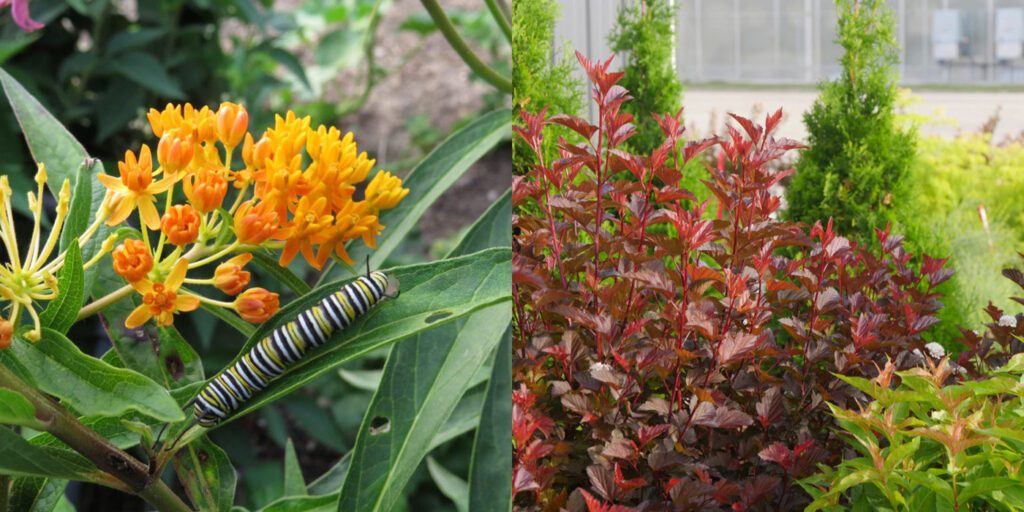
- A photo of a ginger wine ninebark plant next to a purple coneflower. The ninebark plant is on the left, and the purple coneflower is on the right. The ninebark plant has pink flowers, and the purple coneflower has, you guessed it, purple flowers.
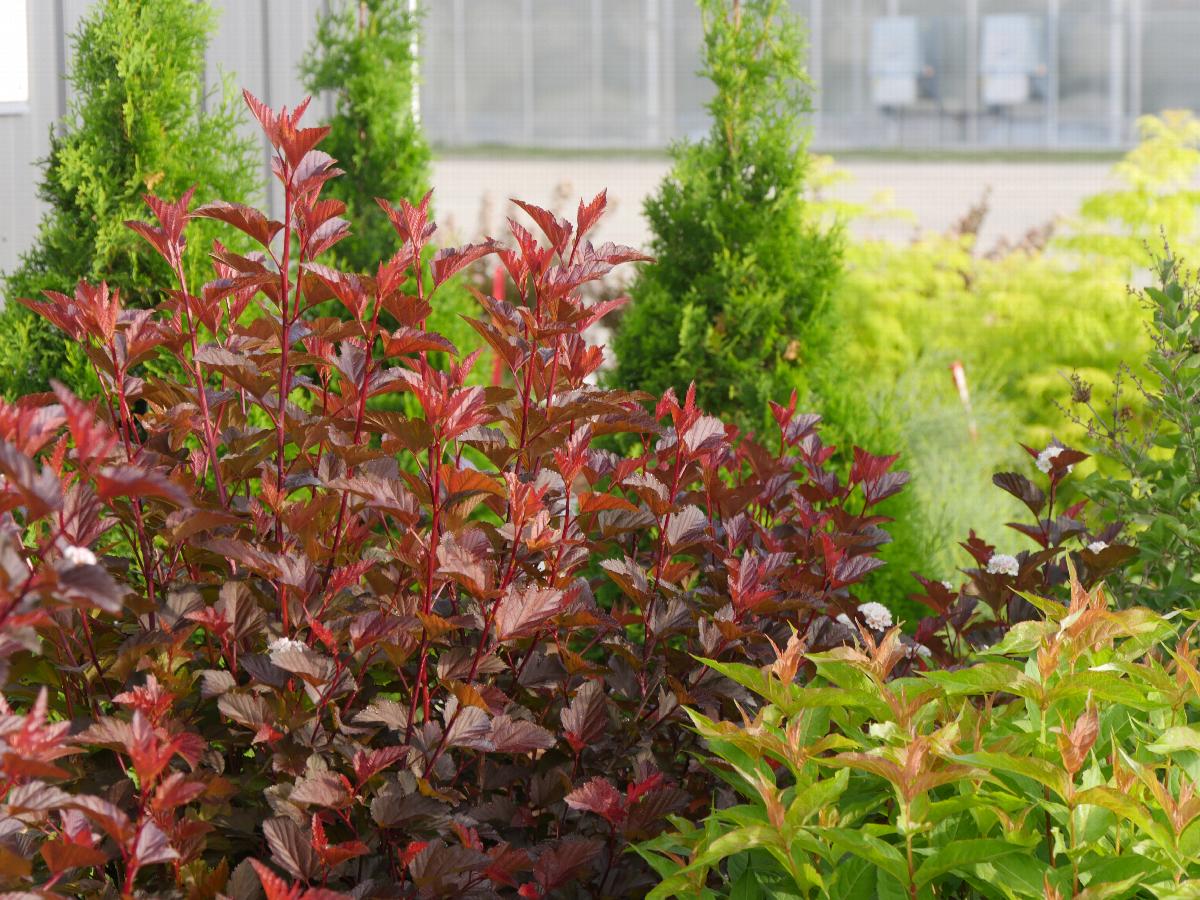
- A photo of a ginger wine ninebark plant in a bed with other shrubs, including a blue spruce, a burning bush, and a hydrangea. The ninebark plant is in the center of the bed, with the blue spruce on the left, the burning bush on the right, and the hydrangea in the back. The blue spruce is tall and has green needles, the burning bush is shorter and has red leaves, and the hydrangea is even shorter and has white flowers.
- A photo of a ginger wine ninebark plant in a woodland garden with other shade-loving plants, including ferns, hostas, and astilbe. The ninebark plant is in the foreground, with the ferns, hostas, and astilbe in the background. The ferns are tall and have green fronds, the hostas are shorter and have large, heart-shaped leaves, and the astilbe are even shorter and have pink or white flowers.
- A photo of a ginger wine ninebark plant in a mixed border with other plants of different heights and colors, including sedum, salvia, and ornamental grasses. The ninebark plant is in the center of the border, with the sedum on the left, the salvia on the right, and the ornamental grasses in the back. The sedum is low-growing and has pink flowers, the salvia is taller and has blue flowers, and the ornamental grasses are even taller and have green or brown blades.
Post a Comment for " Ginger Wine Ninebark Companion Plants That Will Make Your Garden Pop"