Best Companion Plants For Petunias To Boost Blooms And Repel Pests
Title: Best Companion Plants for Petunias to Boost Blooms and Repel Pests
Introduction:
Petunias are one of the most popular annual flowers, and for good reason. They're easy to grow, come in a wide variety of colors, and bloom all summer long. But did you know that you can boost your petunias' blooms and repel pests by planting them with the right companion plants?
In this blog post, we'll discuss the best companion plants for petunias. We'll cover the benefits of companion planting, as well as specific plants that can help your petunias thrive. We'll also provide some tips on how to plant and care for your companion plants.
Benefits of Companion Planting:
Companion planting is a gardening technique that involves planting different types of plants together for mutual benefit. Companion plants can help each other in a variety of ways, including:
- Attracting pollinators: Pollinators, such as bees and butterflies, are essential for the pollination of flowers. By planting companion plants that attract pollinators, you can help to ensure that your petunias produce more blooms.
- Repelling pests: Some plants have natural pest-repelling properties. By planting these plants near your petunias, you can help to keep pests away.
- Improving soil quality: Some plants can help to improve the soil quality around them. This can benefit your petunias by providing them with the nutrients they need to thrive.
Best Companion Plants for Petunias:
There are many different plants that can be good companion plants for petunias. Here are a few of the best:
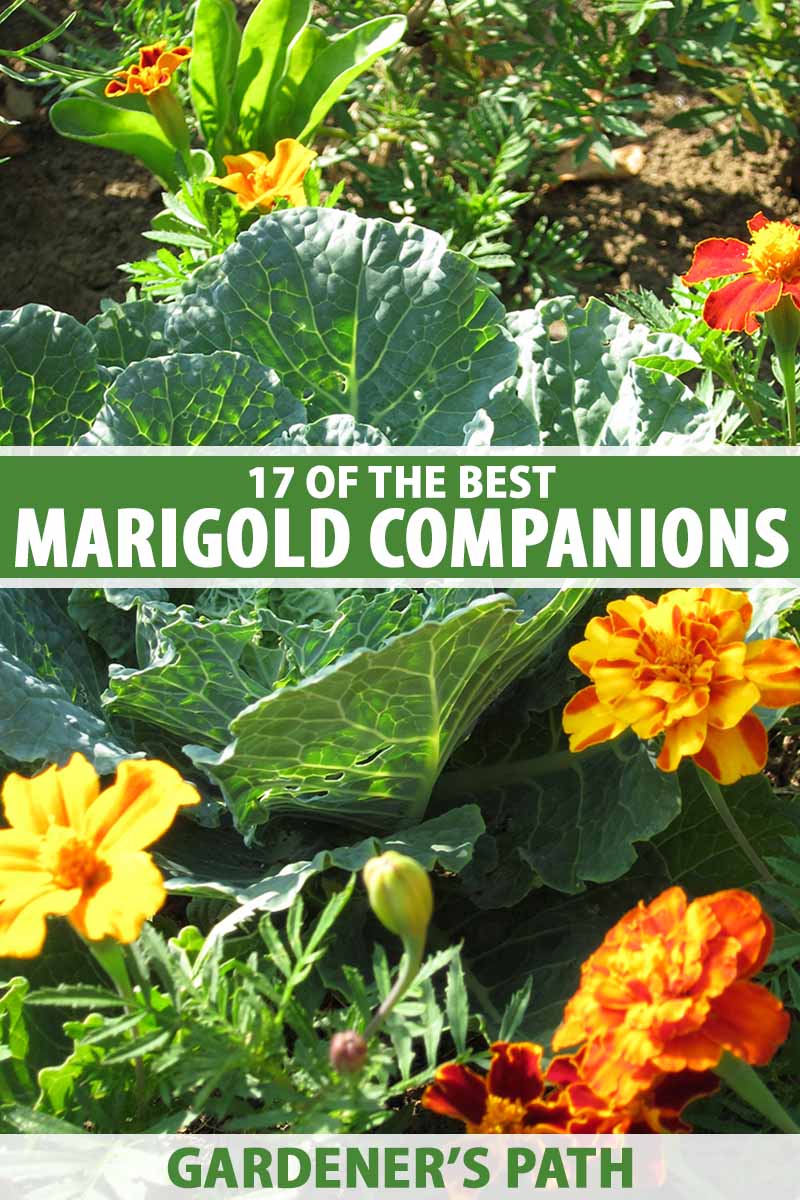
- Marigolds: Marigolds are a classic companion plant for petunias. They help to repel pests such as aphids, nematodes, and tomato hornworms.
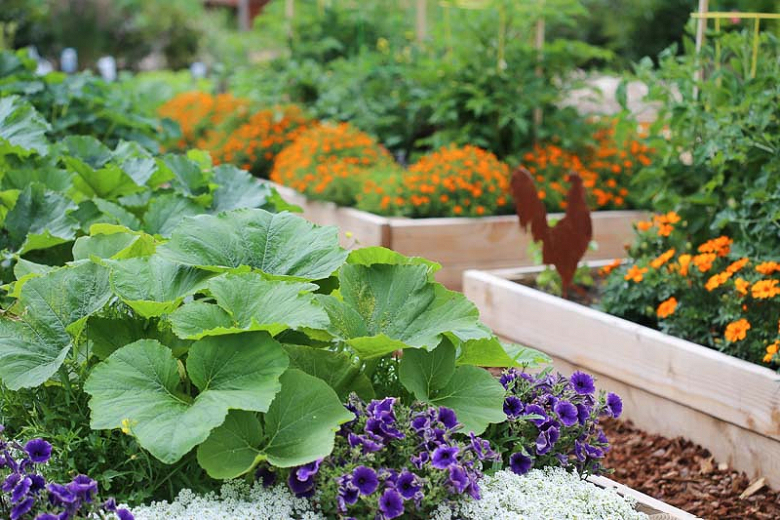
- Nasturtiums: Nasturtiums are another great companion plant for petunias. They help to repel pests such as aphids, whiteflies, and spider mites.
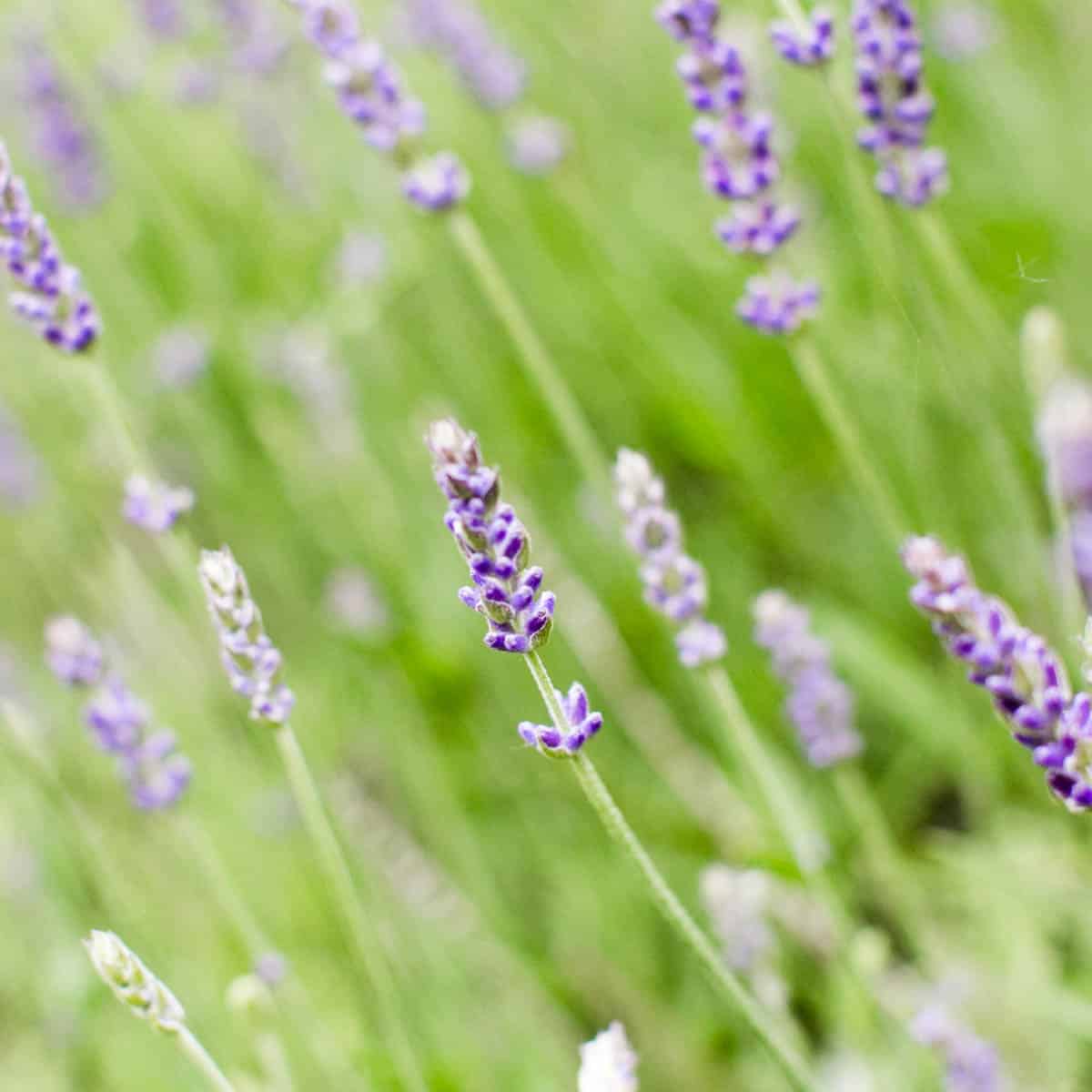
- Lavender: Lavender is a beautiful and fragrant plant that can also help to repel pests such as mosquitoes, ants, and moths.
- Cilantro: Cilantro is a herb that can help to improve the soil quality around petunias. It also helps to attract beneficial insects, such as ladybugs and lacewings.
- Sweet alyssum: Sweet alyssum is a low-growing plant that can help to suppress weeds and attract pollinators.
Planting and Care:
When planting companion plants with petunias, it's important to consider the size and growth habit of each plant. For example, marigolds and nasturtiums can grow quite tall, so you'll want to plant them in the back of your garden. Lavender and cilantro are both low-growing plants, so you can plant them in the front of your garden.
It's also important to consider the sun and water requirements of your companion plants. Most petunias prefer full sun, so you'll want to choose companion plants that also prefer full sun. However, some companion plants, such as lavender, can tolerate partial shade.
Once you've planted your companion plants, it's important to water them regularly. You'll also want to fertilize them every few weeks.
Conclusion:
By planting the right companion plants with your petunias, you can help to boost their blooms and repel pests. This will help you to enjoy your petunias all summer long.
Petunias are a popular choice for gardeners because they are easy to care for and come in a variety of colors. But did you know that there are certain companion plants that can help your petunias thrive?
Some of the best companion plants for petunias include:
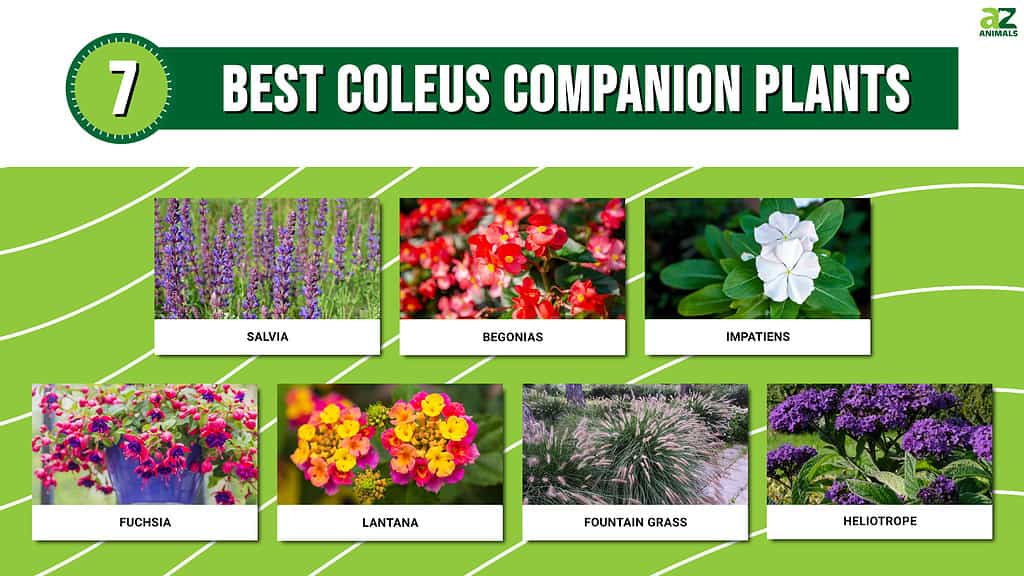
- Salvia
- Snapdragons
- Lantana
- African daisy
- Geraniums
- Lobelia
- Coleus
- Dusty Miller
- Creeping Jenny
These plants help to attract pollinators, deter pests, and improve the overall health of your petunias.
To learn more about companion planting for petunias, visit Garden Wiki.
FAQ of companion plants for petunias
Q: What are the benefits of companion planting with petunias?
A: Companion planting is the practice of planting different types of plants together that benefit each other. When it comes to petunias, there are a number of benefits to companion planting. For example, some companion plants can help to deter pests and diseases, while others can help to improve the soil quality or attract pollinators.
Q: What are some good companion plants for petunias?
A: Some good companion plants for petunias include:
- Salvia: Salvia is a tall, upright plant that can help to provide structure and support for petunias. It also attracts pollinators, which can help to improve the pollination of petunias.

- Snapdragons: Snapdragons are another tall, upright plant that can help to provide structure and support for petunias. They also have similar growing requirements to petunias, so they are a good choice for companion planting.
- Lantana: Lantana is a trailing plant that can help to fill in the spaces between petunias. It also attracts pollinators and deters pests.
- African daisy: African daisy is a low-growing plant that can help to add color and texture to a petunia garden. It also attracts pollinators and deters pests.
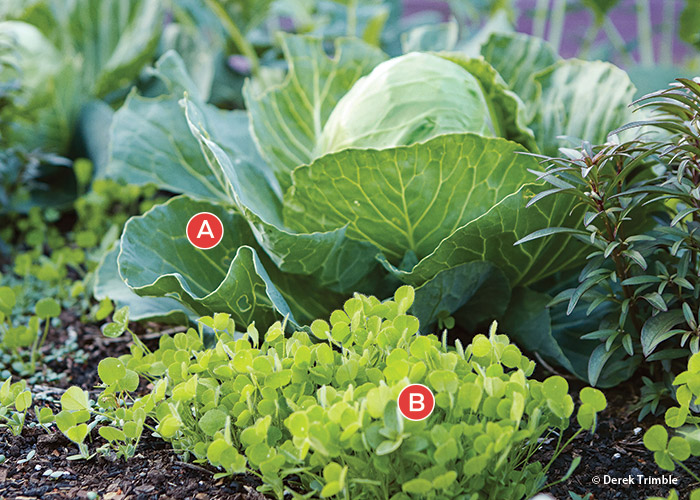
- Clover: Clover is a legume that can help to improve the soil quality for petunias. It also fixes nitrogen in the soil, which can help to reduce the need for fertilizer.
Q: What are some plants that should not be planted with petunias?
A: There are a few plants that should not be planted with petunias, as they can compete for resources or attract pests. These plants include:
- Marigolds: Marigolds can compete with petunias for water and nutrients. They can also attract aphids, which can be a problem for petunias.
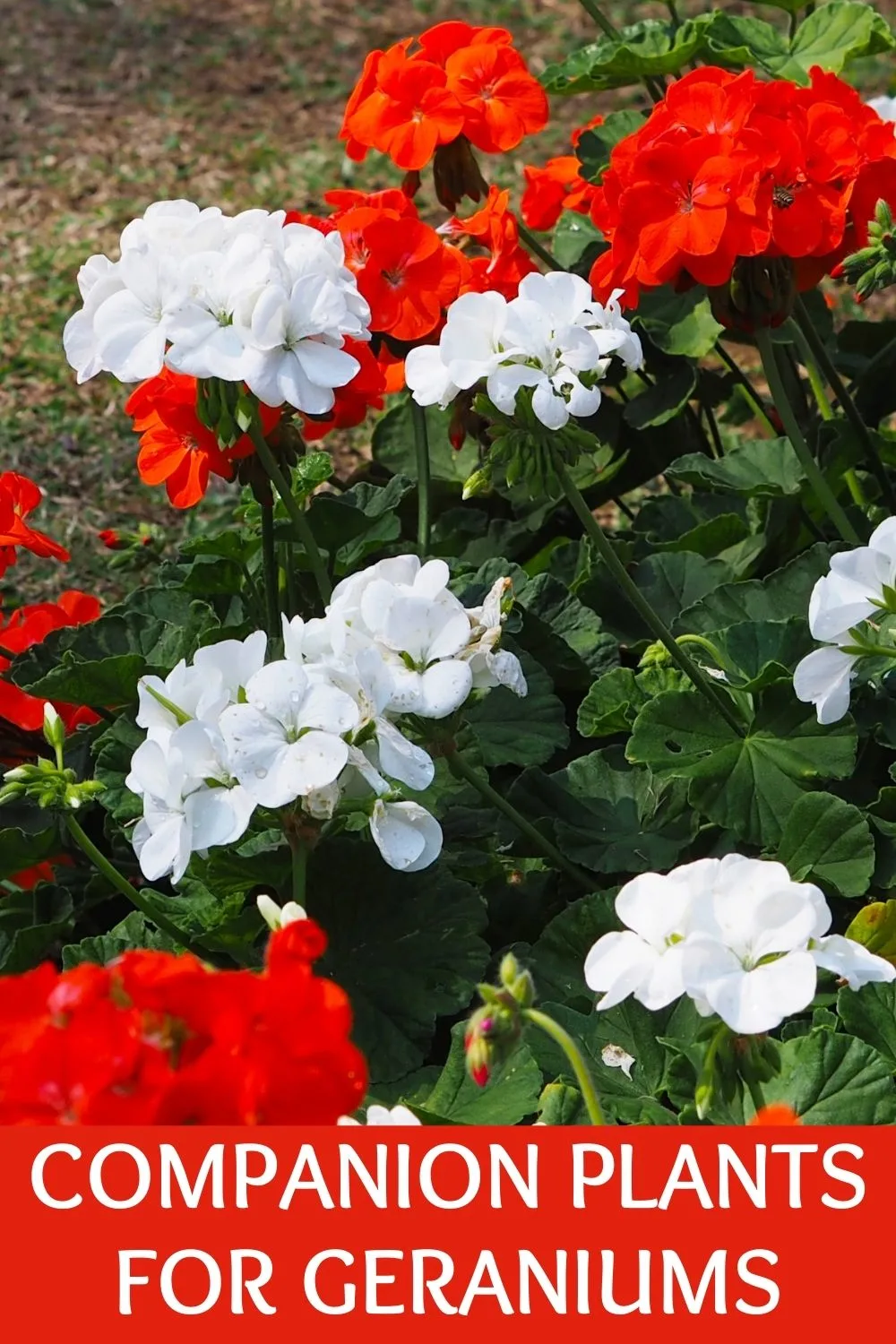
- Geraniums: Geraniums can also compete with petunias for water and nutrients. They can also attract whiteflies, which can be a problem for petunias.
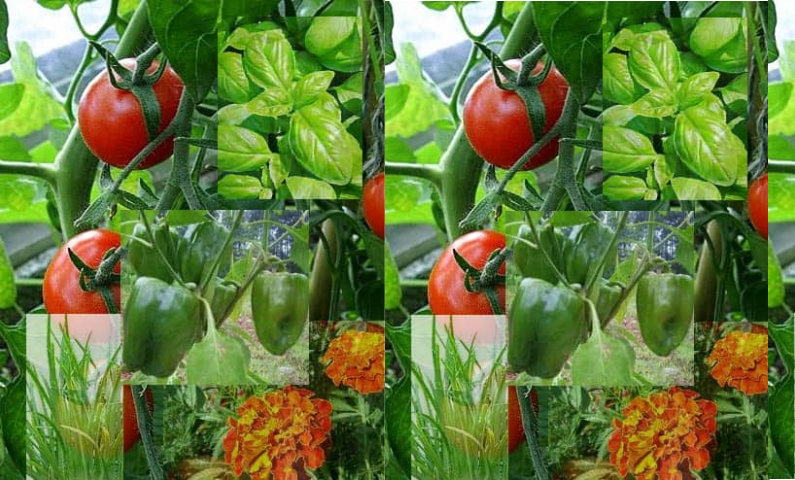
- Tomatoes: Tomatoes can attract nematodes, which can be a problem for petunias. They can also compete with petunias for water and nutrients.
Q: When is the best time to plant companion plants for petunias?
A: The best time to plant companion plants for petunias is in the spring, after the last frost. This will give the plants time to establish themselves before the hot summer weather arrives.
Q: How far apart should companion plants be planted?
The distance between companion plants will depend on the size of the plants. For example, tall plants like salvia should be planted at least 18 inches apart, while smaller plants like African daisy can be planted closer together.
Image of companion plants for petunias
- Marigolds: Marigolds are a great companion plant for petunias because they help to deter pests. They also have a similar growth habit, so they can be planted together without competing for space.
- Lavender: Lavender is another great companion plant for petunias. It helps to repel pests and attract pollinators. Lavender also has a calming scent that can help to reduce stress.
- Geraniums: Geraniums are a popular companion plant for petunias because they have similar growing conditions. They also come in a variety of colors, so you can create a beautiful and colorful combination.
- Coleus: Coleus is a colorful plant that can add a splash of vibrancy to your garden. It is also a good companion plant for petunias because it helps to deter pests.
- Pansies: Pansies are a beautiful spring flower that can be planted with petunias. They come in a variety of colors and are relatively easy to care for.

- Sweet alyssum: Sweet alyssum is a low-growing plant that is perfect for filling in the gaps between petunias. It also has a sweet scent that can attract pollinators.
- Zinnias: Zinnias are a cheerful flower that can add a pop of color to your garden. They are also relatively easy to care for and can be planted with petunias in full sun.
- Salvia: Salvia is a tall, upright plant that can add structure to your garden. It also attracts pollinators and helps to deter pests.
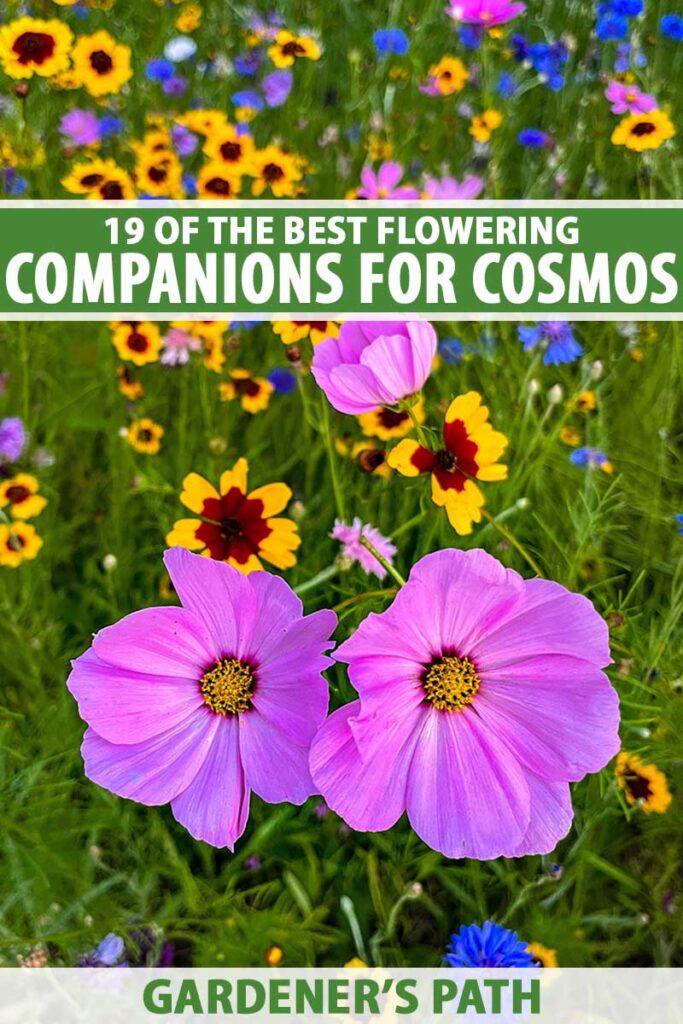
- Cosmos: Cosmos is a carefree plant that is perfect for beginners. It comes in a variety of colors and can be planted with petunias in full sun.

Post a Comment for " Best Companion Plants For Petunias To Boost Blooms And Repel Pests"