Beautiful Companion Plants For Pansies
Beautiful Companion Plants for Pansies
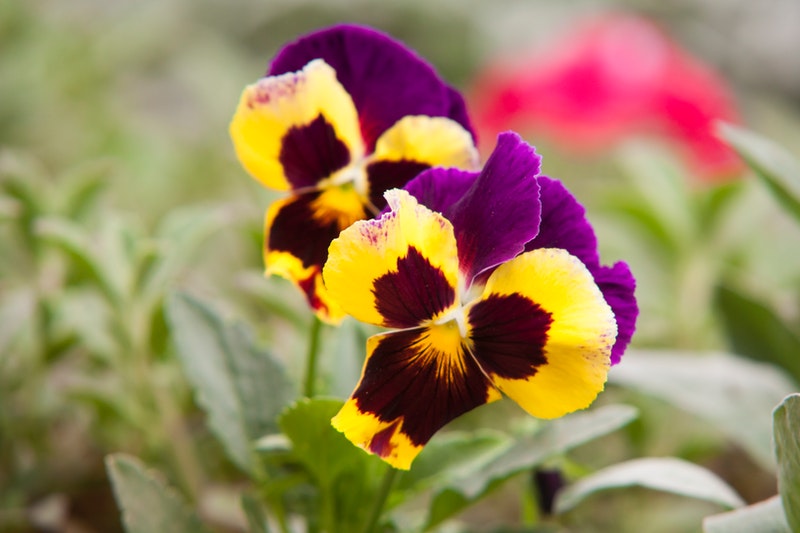
Pansies are a popular choice for spring gardens, and for good reason. They come in a wide range of colors and bloom for months on end. But pansies can be even more beautiful when they're planted with companion plants.
Companion planting is the practice of planting different types of plants together in order to create a more harmonious and productive garden. When you choose the right companion plants for pansies, you can help to improve their health, extend their bloom time, and deter pests.
Here are some of the best companion plants for pansies:
- Marigolds: Marigolds are a classic companion plant for pansies. They help to deter pests such as aphids, nematodes, and whiteflies. Marigolds also add a splash of color to any garden.

- Primroses: Primroses are another great companion plant for pansies. They have similar growing requirements and bloom at the same time. Primroses also add a touch of elegance to any garden.

- Sweet alyssum: Sweet alyssum is a low-growing plant that produces a profusion of small, white flowers. It's perfect for filling in the spaces between pansies. Sweet alyssum also helps to attract pollinators to the garden.
- Lavender: Lavender is a fragrant herb that blooms in late spring and early summer. It's a great companion plant for pansies because it helps to repel pests and attract pollinators. Lavender also adds a touch of sophistication to any garden.

- Tulips: Tulips are a popular spring bulb that can be planted alongside pansies. They add height and color to the garden, and their tall stems can help to protect pansies from the wind.

- Iris: Iris is another spring bulb that can be planted alongside pansies. They come in a variety of colors and bloom for several weeks. Iris also helps to deter pests such as aphids and slugs.
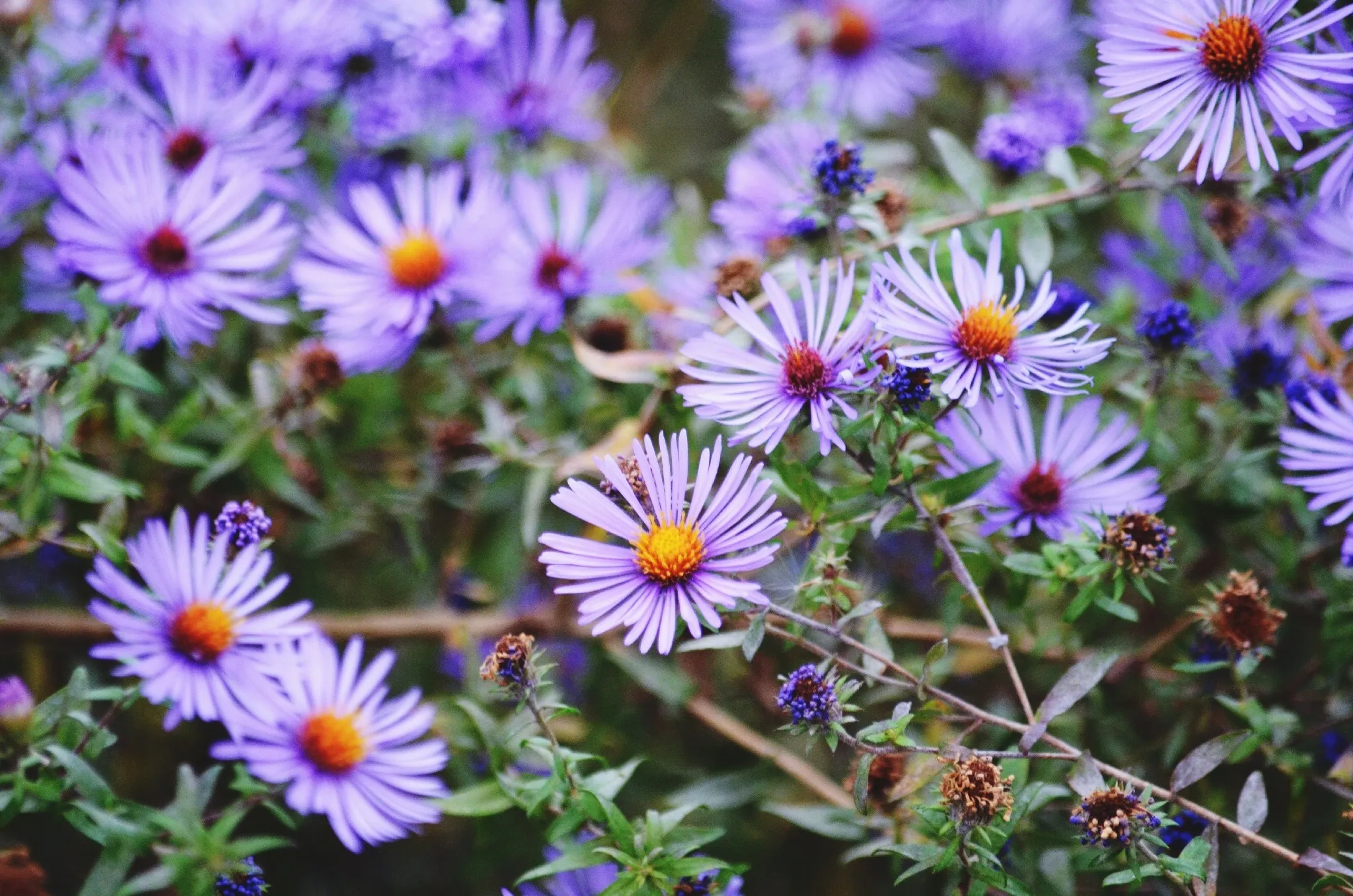
- Aster: Aster is a late-summer bloomer that can add color to the garden after pansies have finished blooming. Asters are also relatively drought-tolerant, so they can help to fill in the spaces between pansies during the hot summer months.
- Coral bells: Coral bells is a low-growing perennial that produces colorful foliage and flowers. It's a great companion plant for pansies because it can tolerate a variety of soil conditions and light levels. Coral bells also helps to attract pollinators to the garden.


When choosing companion plants for pansies, it's important to consider their growing requirements. Pansies prefer full sun to partial shade and well-drained soil. They should also be planted in a location that is protected from the wind.
Once you've chosen your companion plants, plant them in the same way that you would plant pansies. Water them regularly, especially during the first few weeks after planting. Fertilize them every few weeks with a balanced fertilizer.
With a little care, your pansies and their companion plants will thrive and provide you with months of beauty.
Pansies are beautiful flowers that can add a splash of color to any garden. But did you know that they can also attract beneficial insects and help to deter pests? When choosing companion plants for pansies, it's important to consider their growing conditions and the benefits they can provide.
Some good companion plants for pansies include:
- Primroses: These early-blooming flowers share similar growing conditions with pansies and can help to attract pollinators. Gardenia Inspiration
- Sweet alyssum: This low-growing plant is covered in tiny white flowers that bloom all summer long. It's a great choice for filling in empty spaces in a pansy border.
- Lobelia: This trailing plant adds a splash of color to hanging baskets and window boxes. It's also a good choice for attracting hummingbirds.
- Marigolds: These cheerful flowers help to deter pests from pansies. They also bloom all summer long, so you'll enjoy their bright colors for months to come.
- Herbs: Pansies can be grown alongside a variety of herbs, such as parsley, rosemary, and thyme. These herbs not only add beauty to the garden, but they can also be used in cooking.
For more information about companion planting with pansies, visit Gardenia Inspiration. This website has a wealth of information on the topic, including plant profiles, tips on how to choose the right companion plants, and planting instructions.
FAQ of pansy companion plants
- What are some good companion plants for pansies?
Some good companion plants for pansies include:
- Tulips
- Flowering kale and cabbage
- Daffodils
- Ornamental grasses
- Chrysanthemums
- Sweet alyssum
- Rosemary and parsley
These plants all have similar growing conditions to pansies, so they will thrive when planted together. They also complement each other's colors and textures, creating a beautiful and harmonious landscape.
- Why is companion planting important for pansies?
Companion planting is important for pansies because it can help to improve their health and productivity. The right companion plants can help to deter pests and diseases, attract beneficial insects, and improve the soil quality. This can lead to healthier, more vibrant pansies that will bloom for longer.
- How close together should pansies be planted with other plants?
Pansies should be planted about 6 inches apart when planted with other plants. This will give them enough space to grow and spread without overcrowding each other.
- What are some tips for planting pansies with other plants?
Here are a few tips for planting pansies with other plants:
- Choose plants that have similar growing conditions.
- Plant the pansies in a sunny spot with well-drained soil.
- Water the plants regularly, especially during hot, dry weather.
- Fertilize the plants every few weeks with a balanced fertilizer.
- Deadhead spent blooms to encourage more flowering.
- What are some common problems that can occur with pansy companion planting?
Some common problems that can occur with pansy companion planting include:
- Pests: Pansies can be susceptible to a variety of pests, such as aphids, slugs, and snails. If you notice any pests on your pansies, you can treat them with an insecticidal soap or neem oil.
- Diseases: Pansies can also be susceptible to a variety of diseases, such as powdery mildew and black spot. If you notice any signs of disease, you can treat them with a fungicide.
- Overcrowding: If pansies are planted too close together, they can become overcrowded and unhealthy. To avoid this, make sure to space them at least 6 inches apart.
Image of pansy companion plants
- Tulip: Tulips and pansies are both spring flowers that bloom in early spring. They complement each other well because they have different colors and textures. Tulips are tall and slender, while pansies are short and bushy. Tulips come in a variety of colors, including red, yellow, pink, and purple. Pansies also come in a variety of colors, but they are often more muted than tulips.
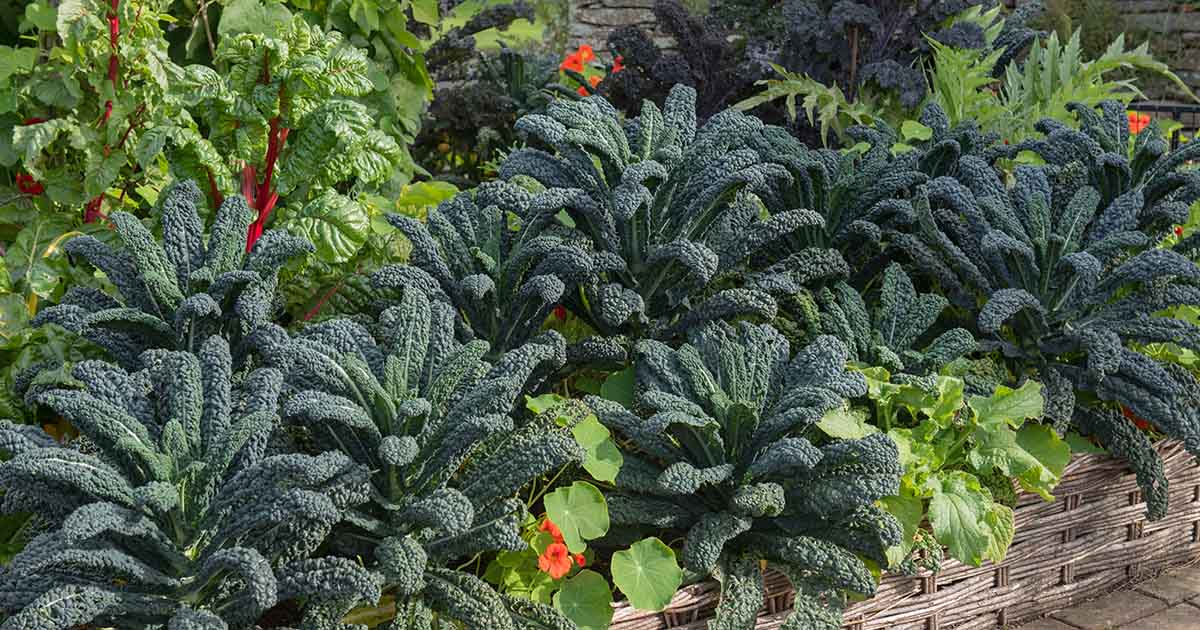
- Flowering kale and cabbage: Flowering kale and cabbage are edible plants that also make attractive ornamentals. They have large, colorful leaves that contrast well with the smaller, more delicate flowers of pansies. Flowering kale and cabbage come in a variety of colors, including purple, green, and white.
- Daffodils: Daffodils are another spring flower that blooms around the same time as pansies. They have bright yellow flowers that stand out against the dark green leaves of pansies. Daffodils are also deer-resistant, so they can help to protect your pansies from hungry animals.

- Ornamental grasses: Ornamental grasses add height and texture to a garden. They can also help to fill in empty spaces between pansies. Some good options for ornamental grasses to pair with pansies include pampas grass, fountain grass, and blue oat grass.
- Sweet alyssum: Sweet alyssum is a low-growing annual that blooms in a variety of colors, including white, pink, and purple. It has a sweet fragrance that attracts bees and butterflies. Sweet alyssum can help to fill in the spaces between pansies and prevent weeds from growing.


Post a Comment for " Beautiful Companion Plants For Pansies"